Is your luxury home in Dr. Phillips worth more today, or is the market telling you to price with precision? In a high-visibility area where buyers compare every detail, setting the right price is the difference between momentum and months of silence. You want a strong result without chasing the market or leaving money on the table. In this guide, you’ll learn how to price with confidence using enclave-level comps, clear market signals, and smart pre‑list prep that protects value.
Let’s dive in.
Today’s market signals
Public market snapshots show a broad range for general Dr. Phillips prices. Recent portal data places median values roughly between the low $500Ks and low $600Ks for the overall area. That wide spread happens because each portal uses different time frames, definitions, and maps. What matters for you is how your specific enclave and price band are performing.
Two indicators help frame expectations:
- Sale-to-list ratios are around the mid‑90s percent, which points to a generally balanced to mildly seller‑friendly market for well‑positioned homes.
- The Orlando region showed about 5.2 months of supply in December 2025, which is consistent with a balanced market where pricing accuracy matters. You can review the latest months of supply in the Orlando Regional REALTOR Association report for context at the regional level. ORRA State of the Market
Portal estimates for days on market vary widely, which is common. Use them as rough context only. Your home’s micro‑location, condition, and price point will control the real timeline.
Why luxury pricing is different
Luxury in Dr. Phillips is not one market. It is a network of micro‑enclaves with different buyer pools and value drivers.
- Bay Hill and other golf-adjacent areas often command premiums for golf frontage, club access, and estate lots.
- Butler Chain lakefront enclaves place a high premium on waterfront, dock quality, and navigable access. Buyers frequently compare price per front‑foot and overall dock and lanai packages.
- Guard-gated and newer custom enclaves can set upper‑bound pricing when new construction is active and finishes are truly best in class.
Because these homes are unique, a simple average price per square foot is only a starting point. Luxury benchmarks and distributions within your exact enclave provide a better lens. Broker luxury reports for Orange County show materially higher price per square foot in the luxury tier than the general market, which is why you should evaluate your home against true high‑end comps. Elliman Orange Micro Market
Build a data‑backed list price
The goal is to align your price with your objective and the way buyers shop your enclave. A professional Comparative Market Analysis provides the structure. For an overview of the core pricing factors, you can review NAR’s consumer guidance. NAR Pricing Guide
Clarify your objective
Decide what matters most right now. Do you want maximum market value with a 60 to 90 day path to close, or do you prefer faster traction with a price that invites multiple offers? Your answer guides whether you price at the center of the value range or slightly below it to accelerate showings.
Select the right comps
Pull a tight set of 3 to 7 recent closed sales from your same micro‑location wherever possible. For luxury, prioritize the same enclave, same waterfront or golf orientation, and similar lot and finish quality. If there are too few recent sales, extend to 9 to 12 months and include nearby enclaves with clear adjustments. Add 3 to 5 active listings and a couple of pendings to understand where buyers are choosing right now.
Normalize the numbers
Calculate price per square foot by price band and by enclave. Look at the median and the range, not just a single figure. If the mid‑market is around the low $300s per square foot, true luxury enclaves can trade at multiples of that when finishes and location justify it. For waterfront, include price per front‑foot where data allow. For golf, note the impact of view and tee proximity.
Adjust for condition and features
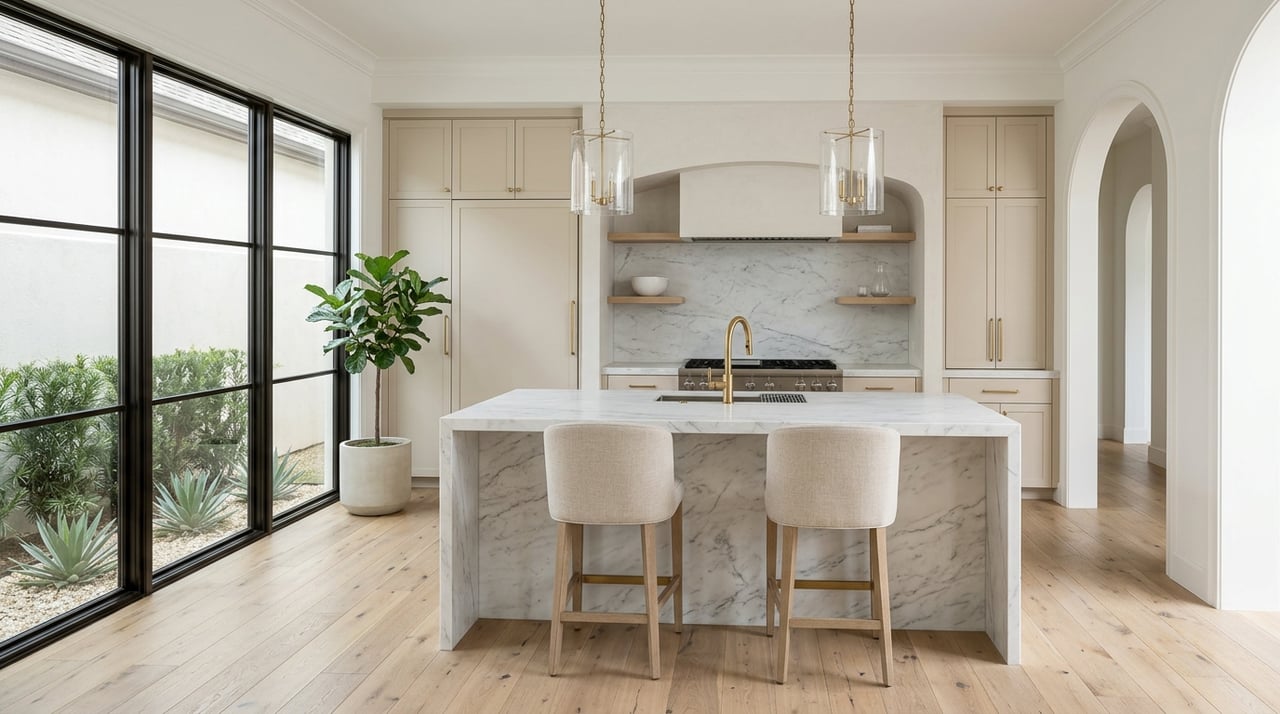
Document upgrades, mechanicals, and outdoor living. Kitchens, baths, pool and lanai design, dock condition, and garage capacity matter. Assign dollar or percentage adjustments that you can support with photos and invoices. For unique features like significant acreage or custom architecture, consider appraiser input for a realistic adjustment range.
Overlay market context
Local absorption at your price band tells you how much leverage you have. In a market with about 4 to 6 months of supply, pricing accuracy matters. Confidence increases when you see a consistent pattern across solds, actives, and pendings in your enclave. You can confirm regional supply trends in the latest ORRA report. ORRA State of the Market
Pick the price point
With a reconciled value range, place your list price based on your objective and the strength of your presentation plan. For top-of-market pricing, you need best-in-class staging, media, and launch timing. If your goal is speed, a strategic underprice within the range can pull in more qualified showings quicker. Track the first 10 to 21 days closely. If showings and saves lag behind similar listings, re‑evaluate quickly rather than waiting weeks.
Prep that protects value
Target improvements that move the needle with buyers and protect your appraisal.
- Staging and media. Professional staging and premium photography and video increase attention and perceived quality. Presentation paired with accurate pricing is a proven formula. NAR Pricing Guide
- High‑ROI refreshes. National Cost vs. Value data shows garage door replacement and a steel entry door rank near the top for percent recoup. Minor or midrange kitchen and bath updates often beat full upscale gut projects on ROI. 2025 Cost vs. Value
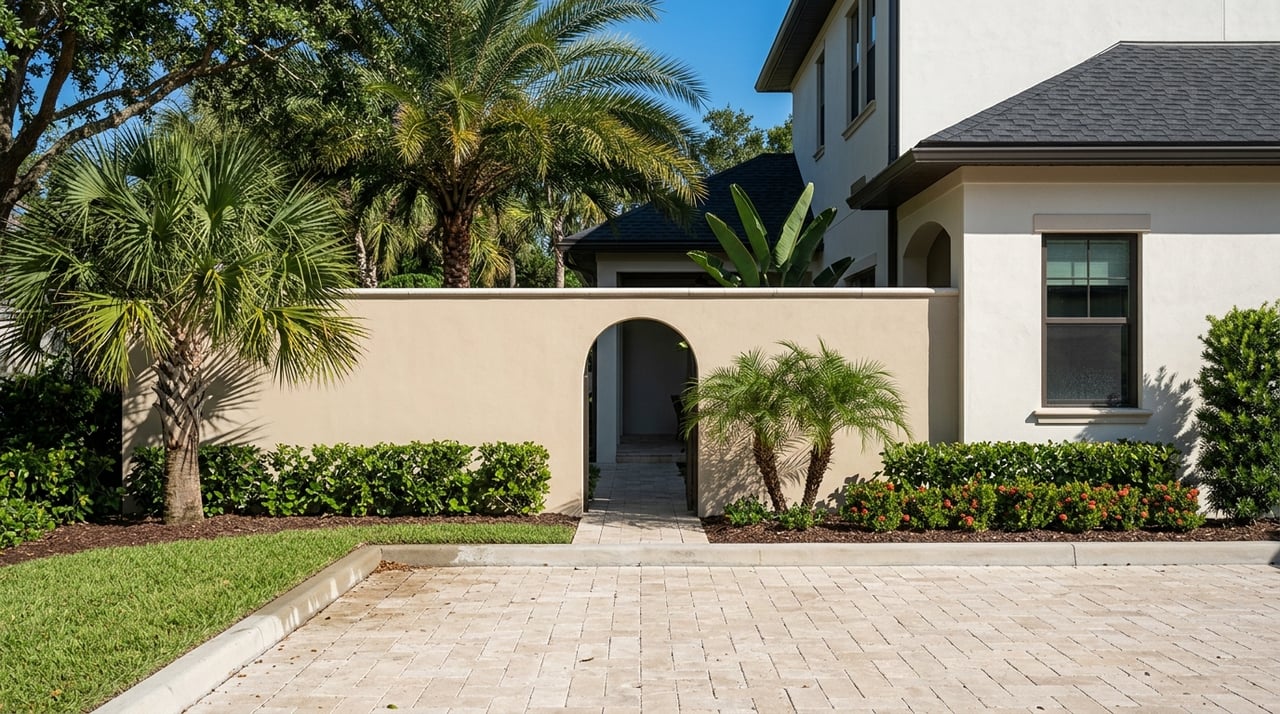
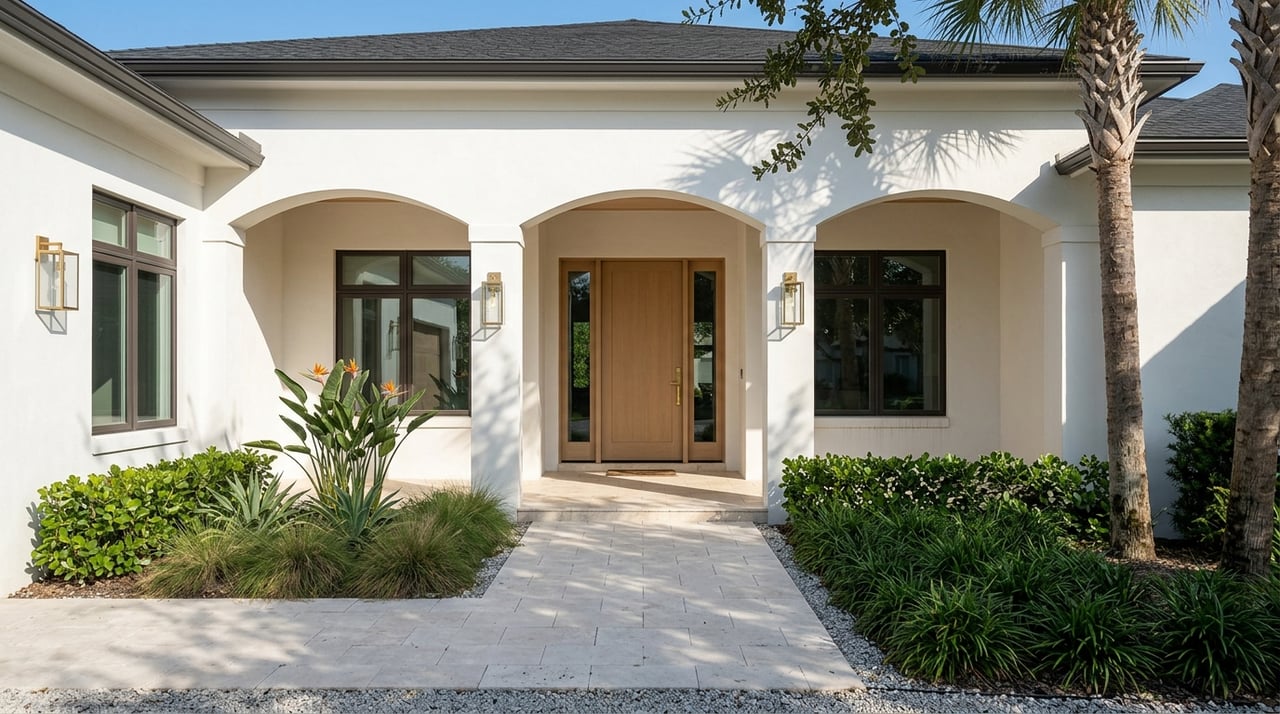
- Curb appeal. Fresh exterior paint, landscaping touch‑ups, and clean hardscapes make a strong first impression.
- Systems and documentation. Provide recent service records for HVAC, roof, pool, and dock. Organized documentation reduces buyer friction and strengthens appraisal support.
- Pool expectations. In Florida luxury segments, pools are common and often expected. Public research shows pool homes list at significantly higher prices in many metros, but condition, safety features, and insurance costs factor into the true premium. Bring maintenance records to the table.
Caution on heavy renovations: Large upscale additions or full luxury gut remodels often recoup a lower percentage at resale. Prioritize improvements that buyers in your enclave notice most. 2025 Cost vs. Value
A simple pricing playbook
Here is how a data‑backed approach might look in practice.
Define your objective. Aim for a 60 to 90 day close while maximizing net proceeds.
Build the CMA. Include 5 sold comps from the past 3 to 12 months within your enclave or closest equivalents, 3 to 5 actives, 2 pendings, and 2 expired or withdrawn listings to understand overpricing risk. NAR Pricing Guide
Benchmark price per square foot. Establish a median and range for your enclave and price tier. Expect true luxury to show materially higher price per square foot than the broader market. Elliman Orange Micro Market
Adjust for features. Add or subtract value for kitchen and bath level, pool and lanai package, dock quality, garage capacity, and mechanical age. Document every line item.
Reconcile a value range. Set low, market, and high targets. Place your list price near the top only if condition, presentation, and demand support it.
Launch and measure. Track showings per week, online engagement, and direct feedback. If you trail the competition after the first two weekends, make a decisive adjustment rather than drifting toward stale status.
Illustrative example: If enclave comps support about 600 dollars per square foot for renovated luxury, a 4,000 square foot home points to roughly 2.4 million dollars before adjustments. If you have a recently upgraded kitchen and a remodeled dock that the market values at a combined 210,000 dollars premium, your reconciled range might land around 2.6 to 2.8 million dollars. Your final list price depends on your objective and current competing inventory. Always show the math in your CMA packet. Elliman Orange Micro Market
Avoid common mistakes
- Pricing on hope, not data. Emotional anchors like a past purchase price or a neighbor’s story can lead to overpricing and later cuts. Let the CMA and absorption data guide you. NAR Pricing Guide
- Ignoring micro‑location. Treating golf frontage, open‑water lake lots, and interior streets as equal invites appraisal risk and buyer pushback. Price by enclave and lot type.
- Over‑investing pre‑sale. Large upscale overhauls often recoup less percentage than targeted, midrange updates. Use ROI data to prioritize. 2025 Cost vs. Value
- Weak appraisal prep. If you are at the top of a range, prepare an appraisal support packet with comps, upgrade invoices, and service records. This reduces questions during underwriting and keeps the deal on track. The Appraisal of Real Estate
How I help you price and win
You deserve a pricing strategy that respects the nuances of your enclave and the value you have created in your home. I combine a tight, MLS‑driven CMA with enclave‑level benchmarks, a developer’s eye for features that move value, and premium presentation that meets luxury buyer expectations. You get clear guidance, thoughtful staging and media planning, and real‑time adjustments based on how the market responds in the first two weeks.
If you are considering a sale, I would be glad to build a confidential pricing plan for your property, including an enclave‑specific CMA, pre‑list prep roadmap, and go‑to‑market strategy. Start the conversation with Max Cawal to schedule a free consultation or request your instant home valuation.
FAQs
What affects luxury pricing in Dr. Phillips the most?
- Micro‑location within your enclave, water or golf frontage, finish level, outdoor living package, and current competing inventory are the primary drivers.
How long should a well‑priced luxury home take to sell?
- In a balanced market, many luxury homes can target a 60 to 90 day window, but timing depends on enclave comps, price point, and presentation quality.
Should I renovate my kitchen before listing a luxury home?
- Consider a targeted refresh instead of a full gut, since midrange kitchen updates often recoup a higher percentage than upscale overhauls according to national ROI data.
How do I know if my price is working in the first two weeks?
- Compare your showings, online saves, and feedback against similar actives; if you trail peers after 10 to 21 days, re‑evaluate price and presentation quickly.
What documents help support my list price during appraisal?
- A packet with enclave‑level comps, detailed upgrade invoices, recent service records, and pre‑listing inspection notes helps appraisers and underwriters validate value.