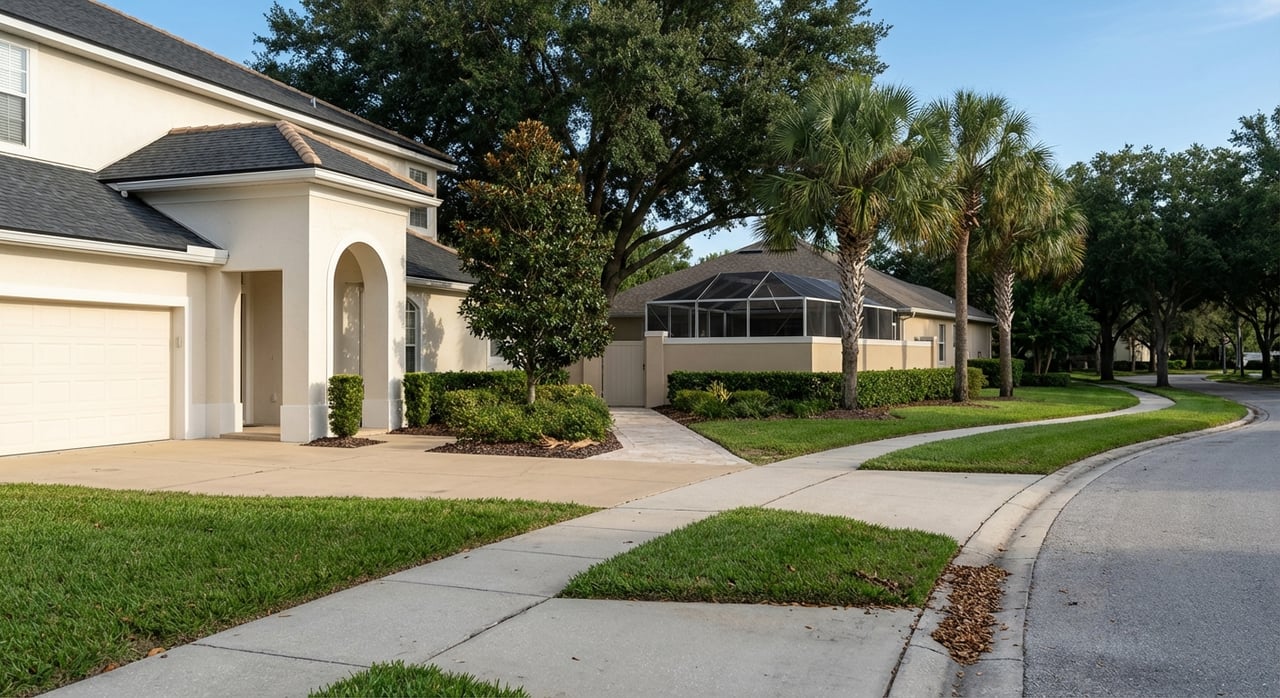
What is actually moving the Bay Hill market right now? If you are watching listings come and go in this golf-club enclave, it can feel like things change fast. You want a clear read on inventory, speed, and pricing so you can time your next move with confidence. In this guide, you will learn the key forces shaping Bay Hill this season, what to watch in the data, and practical steps to buy or sell well. Let’s dive in.
Bay Hill at a glance
Bay Hill is a small, high-end neighborhood anchored by the Bay Hill Club & Lodge. Most homes are single family on medium to large lots, and there are very few new subdivisions inside the enclave. That limited supply is why you often see fewer active listings than nearby areas.
Buyers tend to be a mix of full-time residents, seasonal owners, and people seeking a country-club lifestyle. Many transactions use cash or large down payments. Because the area is small, a handful of sales can swing the statistics, so you want to look at rolling trends rather than a single month.
Inventory and months of inventory
Months of Inventory, or MOI, tells you how long it would take to sell all active listings at the current sales pace. In general, under 3 months favors sellers, while over 6 months favors buyers. In a tight-supply enclave like Bay Hill, MOI is one of the most useful signals you can track.
Look at MOI over 3, 6, and 12-month windows. Short windows reveal the immediate pulse, while longer windows smooth out spikes from one or two closings. Also check how many new listings are arriving and whether they are replacing pending sales or stacking up.
How to read MOI by tier
- Under $1M: If this tier exists in any given season, it can move quickly due to rare availability. Low MOI here often draws multiple offers.
- $1M to $2M: This is a core range for many Bay Hill buyers. When MOI stays near or below 3, well-priced homes tend to sell fast with limited concessions.
- $2M and above: Ultra-luxury homes are discretionary. MOI can run higher without signaling weakness, since the buyer pool is smaller and more selective.
Sales speed and negotiation
Days on Market shows how fast buyers act. You want to track the median and the distribution by price tier. A short DOM with a tight spread suggests buyers are decisive and pricing is aligned with expectations.
The list-to-sale price ratio shows how close sellers get to their original asking price. When you see ratios near or above 100 percent in Bay Hill, it implies strong alignment between price and demand. A rising pending ratio, which is pendings divided by actives, also points to momentum.
Prices and tiers
Median and mean sale prices can move with mix changes, especially in a small market. Check both, and review price per square foot by property features. Golf frontage, pool, and renovated interiors typically command premiums. Larger lots and privacy can also influence value.
Break results into tiers to see where the action is. You may find solid activity between $1M and $2M while $3M plus listings take more time, or you might see the reverse if a few top-tier estates clear. The point is to read the tiers separately rather than relying on one overall number.
Demand drivers right now
Lifestyle is a core pull. Club access, golf, and a private neighborhood feel are common motivations. Because many buyers are cash or bring large down payments, the market is less sensitive to small mortgage rate changes than entry-level segments.
Geography matters too. Inflows can include local move-up buyers, seasonal residents, and relocations from out-of-state. That mix often increases during the winter season, when travel and second-home shopping are more common.
Seasonality and the tournament effect
Central Florida typically sees stronger buyer activity in late winter and early spring. For Bay Hill, the Arnold Palmer Invitational brings added visibility. That attention can lift inquiries, tours, and short-term demand in the weeks around the event.
If you are selling, this can be a useful window to list, provided your pricing and presentation are ready. If you are buying, prepare to act quickly and lead with clean terms when the right home appears.
Supply quality and premiums
Not all inventory is equal. Renovated, move-in ready homes tend to move faster. Golf views, pool, and larger lots can carry measurable premiums. Some homes may offer aspects tied to the club, and those details can influence value. Always verify membership structures, transfer costs, and any HOA rules that affect use and resale.
If a property needs updates, buyers often factor that into price and timing. A clear renovation plan and cost context can keep deals on track and reduce surprises during inspection.
Macro context to watch
- Mortgage rates and jumbo loans: Higher rates can slow financed demand in upper tiers, but cash buyers reduce overall sensitivity. Focus on spreads and underwriting for jumbo products if you plan to finance.
- Insurance costs and flood exposure: Changes in hazard insurance can affect affordability and velocity. Confirm FEMA flood zone status for any property you pursue and review insurance quotes early.
- Employment and migration: Orlando’s job base and in-migration continue to support demand. In luxury segments, wealth and relocation patterns matter as much as employment trends.
- New construction nearby: Competing new builds around Dr. Phillips or adjacent corridors can shape buyer options, but Bay Hill’s limited infill keeps direct competition modest.
Practical playbook for sellers
- Calibrate price to tier: Align your list price with recent tier activity and your home’s features. Overpricing in a small market can stall momentum quickly.
- Lead with presentation: Professional prep, light upgrades, and clear disclosures on roof, systems, and insurance positioning help buyers move fast and at strong prices.
- Time your launch: If you can align with seasonal visibility, you may see higher showing volumes. The key is to be ready with quality media and a precise price from day one.
- Negotiate with data: Use current MOI, DOM, and list-to-sale ratios to support your price and counteroffers. In tight tiers, clean terms can be as valuable as small price bumps.
Practical playbook for buyers
- Get decision-ready: Cash proof or a true jumbo pre-approval is essential. Shorter inspection and appraisal timelines can help you compete.
- Focus your search: Define your must-haves, like golf frontage or pool, and be ready to compromise on cosmetic items that are easy to address after closing.
- Price the premium: Golf views, lot size, and recent renovations carry real value. Compare like-for-like when assessing price per square foot.
- Inspect insurance: Review insurance quotes, roof age, and any flood considerations early. This keeps your offer strong and reduces retrades.
What to watch in the next 90 days
- Active listings: Are new listings replacing pendings or building total inventory?
- MOI trend: Is MOI stable or falling in the $1M to $2M range, and how does $2M plus compare?
- DOM shifts: Are well-presented homes selling inside the median DOM, or are days creeping up?
- List-to-sale ratios: Are sellers holding close to ask, or are concessions rising?
- Tournament impact: Do showings and inquiries pick up around the Arnold Palmer Invitational?
Work with a local advisor
Bay Hill is a micro-market where a single sale can influence the numbers. You want a data-driven plan that considers seasonality, tiers, and property features that truly move value. If you are weighing a sale or hunting for a specific lot or view, I can help you read the signals and act with confidence.
Ready to talk strategy for your home or search? Connect with Max Cawal for a focused plan and concierge-level execution.
FAQs
How many Bay Hill homes are on the market and how fast are they selling?
- Inventory is limited and can shift quickly in this small enclave, so track active listings, Months of Inventory, and median Days on Market over 3, 6, and 12 months for a clear read.
Are Bay Hill home prices rising or falling this season?
- Look at rolling median and mean prices plus price per square foot by tier, since a few high or low sales can tilt the averages in a small market.
Do Bay Hill sellers get full price or are buyers negotiating?
- List-to-sale price ratios and the pending-to-active ratio reveal leverage, and tight MOI often supports sellers receiving strong, near-ask outcomes.
Who is buying in Bay Hill right now, locals or out-of-state?
- Expect a blend of local move-up buyers, seasonal residents, and relocations, with inquiry activity often increasing in late winter and early spring.
How much do golf frontage and club-related features affect value in Bay Hill?
- Golf views, larger lots, pools, and club-adjacent benefits typically command premiums, so compare like-for-like comps to price these features correctly.
Should I wait to buy or sell in Bay Hill because of mortgage rates?
- Cash and high-down-payment buyers reduce rate sensitivity here, so base your timing on MOI, DOM, and seasonal activity rather than rates alone.